
Andorra Ski
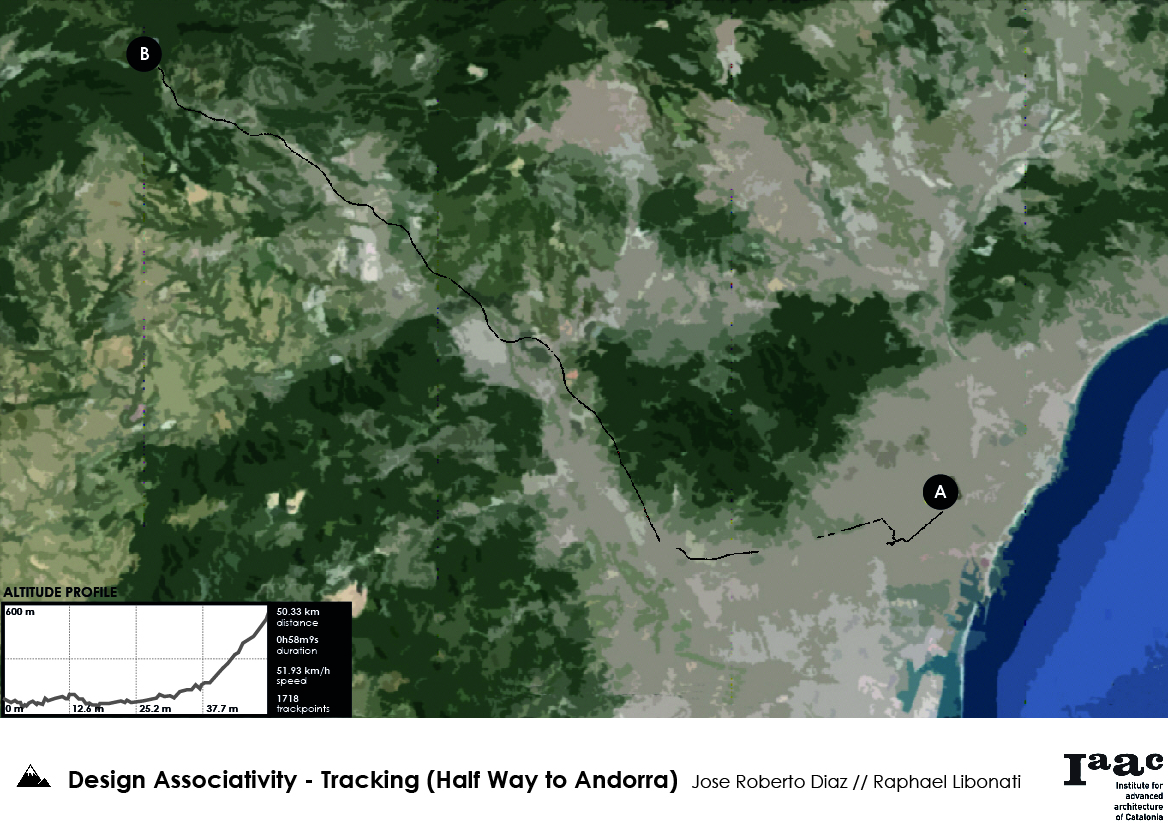
Posted in Jose Roberto Diaz Braga, Raphael Teixeira Libonati Comments closed
A week in Barcelona-STALKING MYSELF
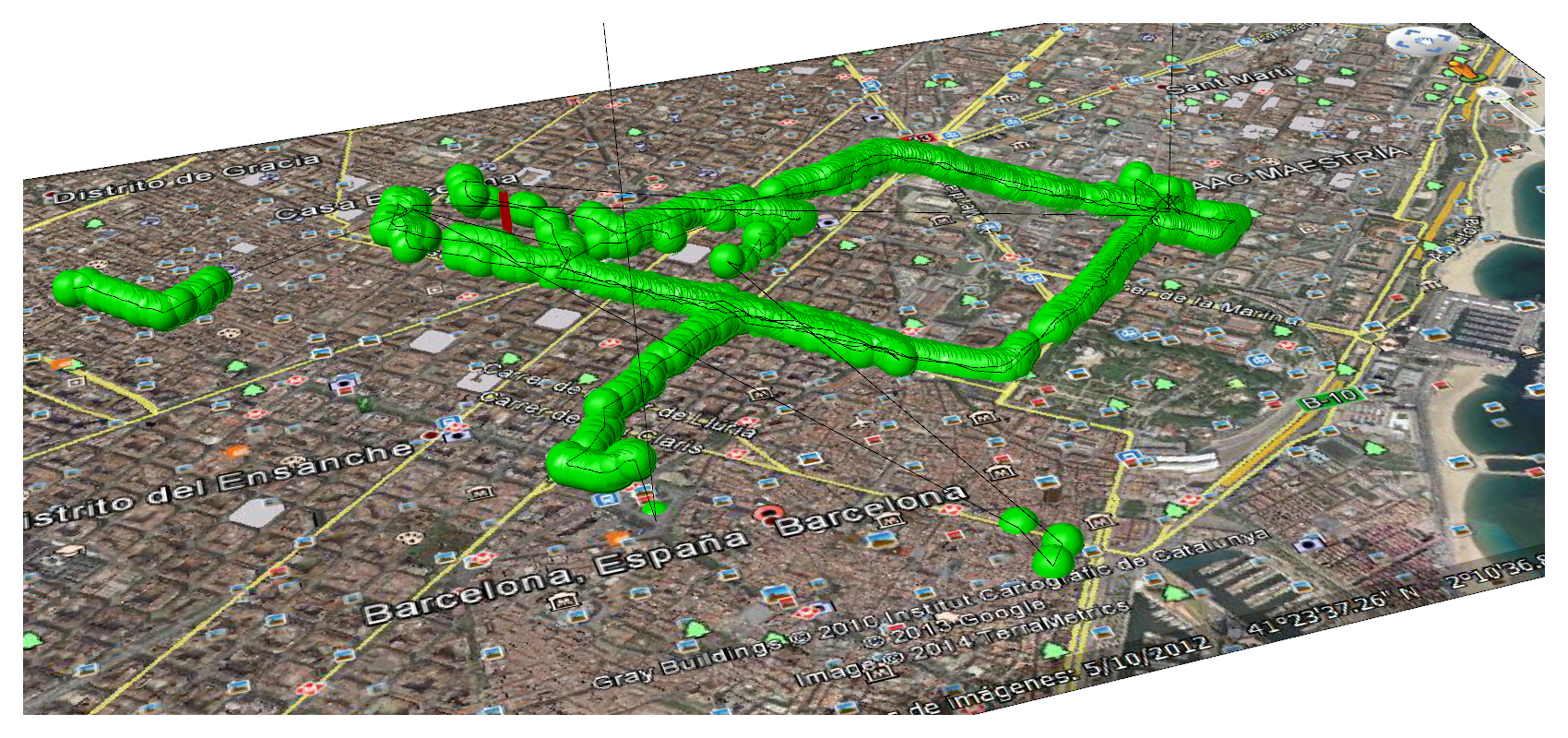
Posted in Alejandro Martinez del Campo Comments closed
A2 GEOLOCATION OF EMOTIONAL DATA
An emotionally self-managed city:
A few years ago, was released a device able to measure human emotions. They were red directly from human brain. The challenge was to be able to visualize and geolocate the emotional data, for mapping the cities, extracting the information directly from the citizens mind, without the necessity of using analytic algorithms to process SMS or instant text messages, form Social Networks. S.I.S.T.E.M.A is the name of an Artificial Urban Intelligence, who is able to monitor the emotional state of all the citizens connected to its network. In this way we could notice how the people actually sense the city, and obtain priceless information for mapping the space, which could be useful for: EMOTIONAL EVALUATION of city areas, NEUROMAKETING, for predicting the feelings that URBAN DESIGN would produce in the inhabitants , and for establishing criteria to place and set ARCHITECTURAL ELEMENTS and ACTIVITIES in the city streets.
[[[ I uploaded this material from my Thesis to show that I already have the skills that allow me to understand how data can be geolocated, in order to map a city according to different inforamtion sources. This material at the same time fullfill all the requierements of the assigned task. // Self- Stalking // Data visualization //GPS tracking ]]]
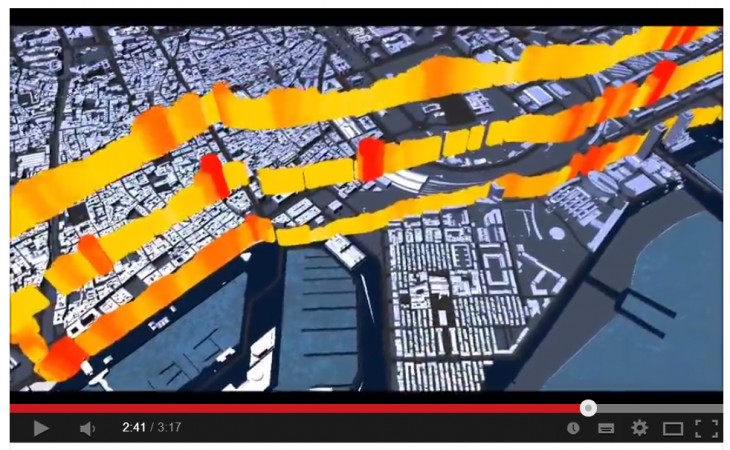
Emotional Data
Posted in Carlos Bausa Martinez, Uncategorized Tagged Emotional Data, Emotiv Epoc, GPS tracking, GPS visualization Comments closed
A1 – Visualizing Data: Population Age around Placa Universitat

Placa Universitat
Placa Universitat is the context I am studying for an interactive installation. I am interested to know what is the age population for the area around the site, in order to target users from specific age groups and know what are the proportions of each age group in relation to one another. I have reduced the list from the initial data to the surrounding districts which are L’Eixample and Ciutat Vella. Read More
Posted in Michele Braidy Comments closed
A.1-Visualising Data: Recreation and Culture in Europe 2013

Image source: DAY KOL PHOTOGRAPHY
http://www.daykolphotography.com/theballerinasupremacy
Europe is a beautiful kaleidoscope of cultures, arts, architecture, education and history. Visiting museums, theatres, concerts, movies, and travelling you can touch by means of a journey through space and time, the heritage of the different countries and cultures of Europe and see how it contributes to a shared cultural heritage. Read More
Posted in Sviatlana Matushko Comments closed