Category Archives: Uncategorized

Emergent Territories Mid-term Presentations

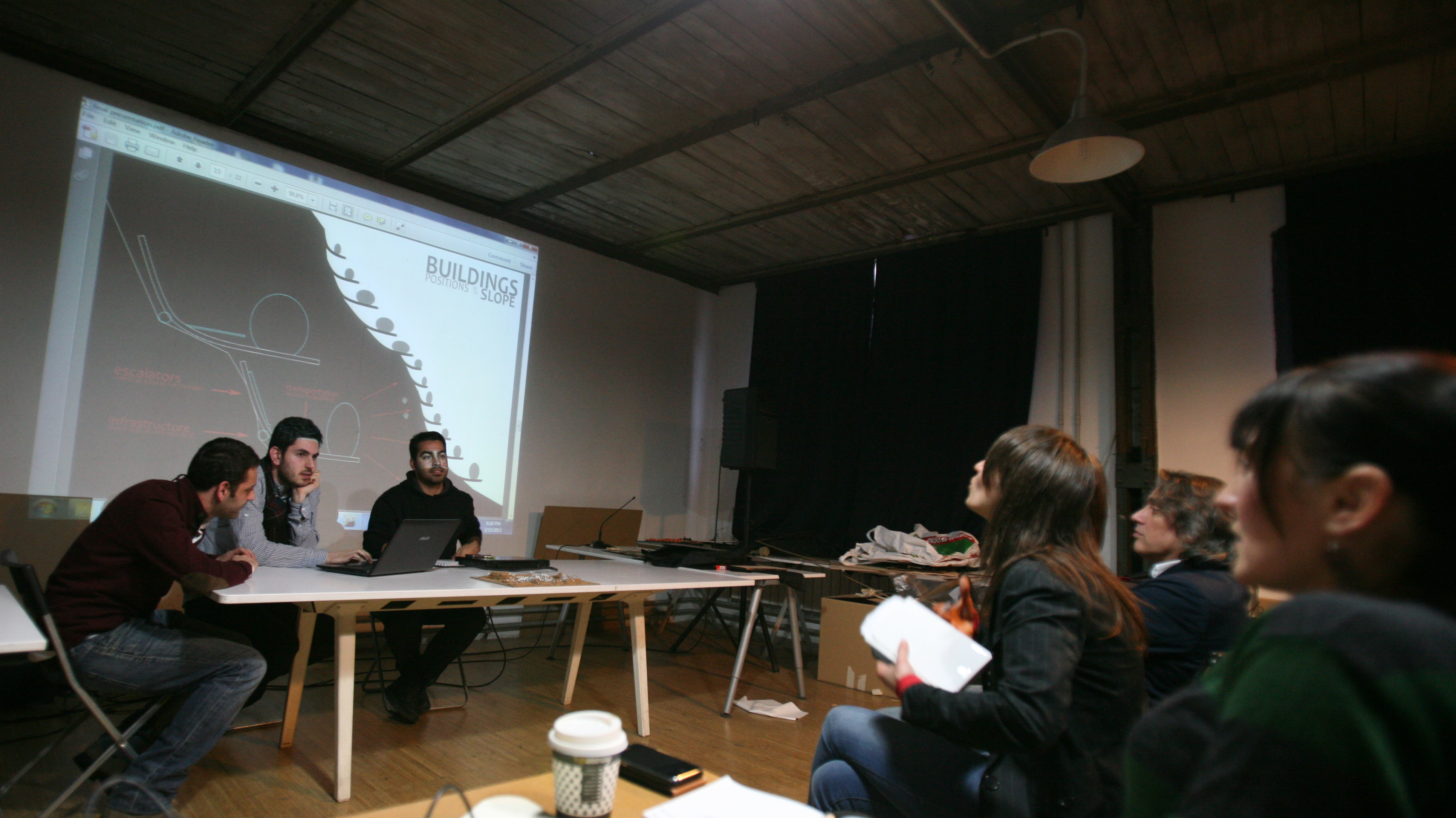
Today at Emergent Territories Studio all the research-groups had their Mid-terms reviews. During the whole day the students presented to the jury the state of their work, related to the Besòs river site, one of the hardest locations in Barcelona. The jury was composed by Maite Bravo, Areti Markopoulou, Willy Muller and Luis Fraguada, all them experts in the advanced architecture field.

Read More »

Posted in Uncategorized | Tagged , , , , , , , , , , , , , | Leave a comment

Desk Crit by Judith Leclerc on the Emergent Territories Studio

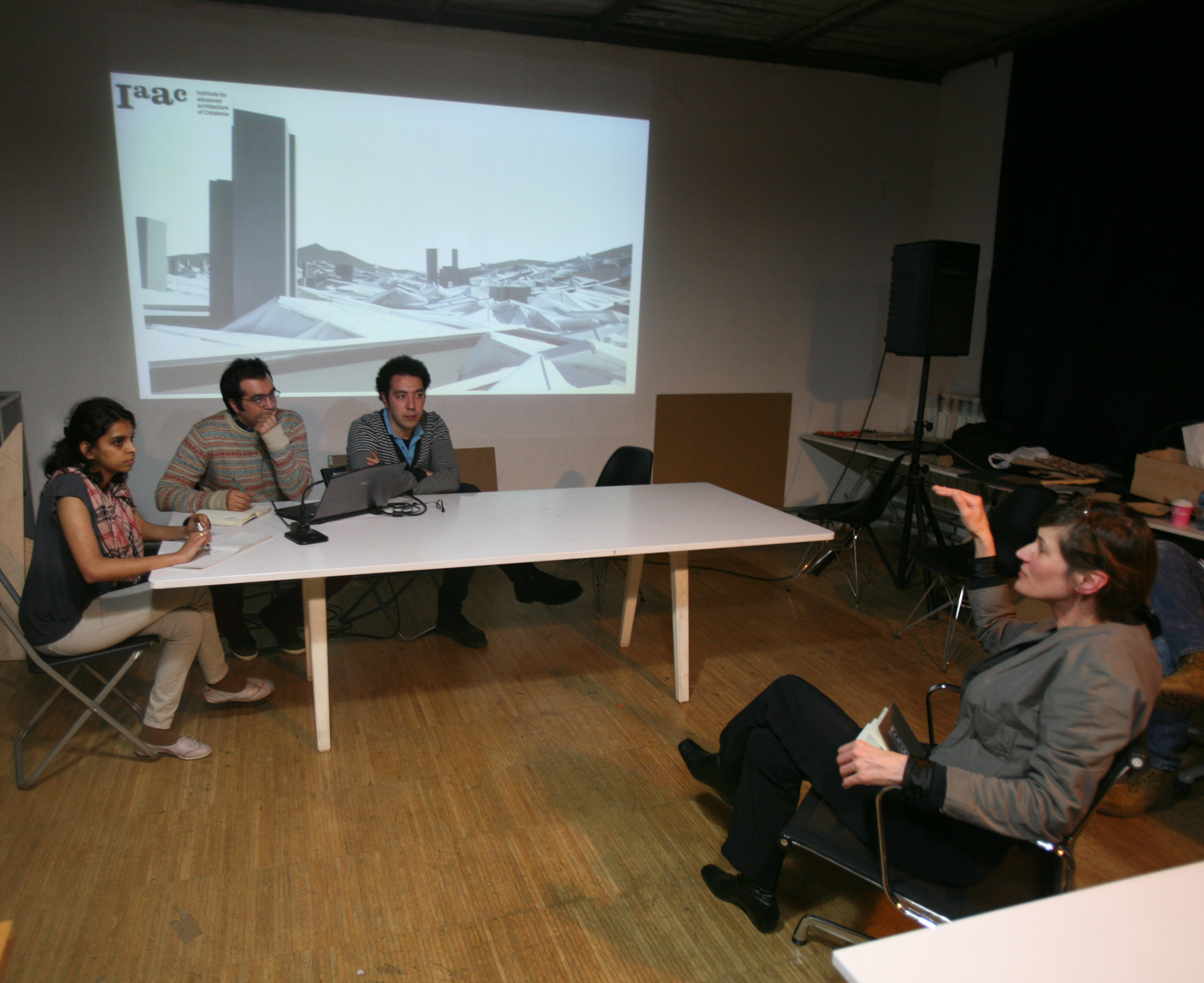
Today at Emergent Territories Studio, Judith Leclerc, founder of “CollLeclerc“, had a desk crit with students, checking the development of their projects and helping them with her critics. During the presentations, the students showed her the proposals that they are developing in the territory of the Besòs river, one of the most complex and controversial sites in Barcelona.

Posted in Uncategorized | Tagged , , , , , , , , , , , , , | Leave a comment

MAI Research Studio: Close to the Body

This MAI Research Studio will be conducted by the Department of Industrial Design at the Eindhoven University of Technology and specifically by the following professionals: Eunjeong Jeon, Martijn ten Bhomer, Kristi Kuusk, Eva Deckers and Oscar Tomico. Other partners for the research studio will be the Higher School of Design (ESDi), part of the Fundació del Disseny Tèxtil (FUNDIT) by the person of Marina Castan, Bywire.net by the person of Marina Toeters and Sietske Klooster by the person of Sietske Klooster.

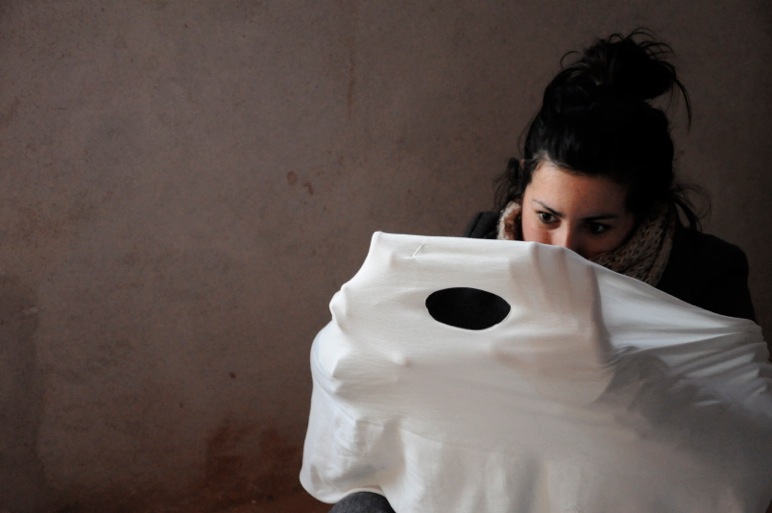
The research studio explores smart textile technology as an emergent design space and proposes a new design practice focused in textiles as an intimate and central element in daily life.

More info here.


Posted in Uncategorized | Tagged , , , , , , , , , , , , , , , | Leave a comment

THEORY COURSE – Dis-positions – Open and another look: opened logic, logical information

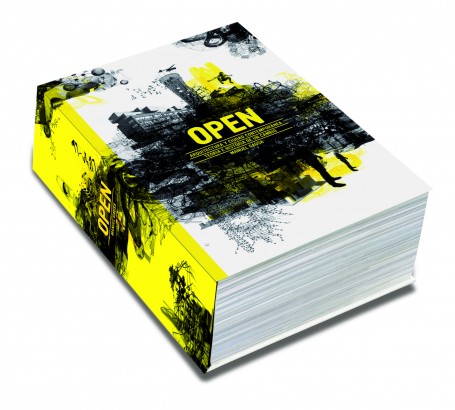
Today Manuel Gausa presented his concepts and the theories he developed on informational and open logics.

Manuel believes that in the last 20 years a new way of thinking has emerged, that is a new operative logic, associated to a new territory of research, or “mental map”, through more open ways of conceiving and organizing the dynamics and irregularities of space. Hence thinking with a more effective spatial formulation and communication, being less prejudiced and more relational with respect to its information (intended in the wider sense, that is as an active vector of exchange).

A new relational and “informational” logic ultimately connected with the understanding of our environment, hence of the dynamic systems and their relative irregular structures, capable of combining, through links, multiple events and heterogeneous processes (for example complex energies) contingently activated and concurred in the same field of action and vibration. Read More »

Posted in Uncategorized | Tagged , , , , , , , , , , , , | Leave a comment

Desk Crit by Maria Bohigas on the Emergent Territories Studio

Today at Emergent Territories Studio, Maria Bohigas, Strategic Director at Barcelona Regional, had a desk crit with students, checking the development of their projects and helping them with her critics.

Read More »

Posted in Uncategorized | Tagged , , , , , , , , , , , , , | Leave a comment

Machinic Conversations I: Hacking an industrial 6axis robot

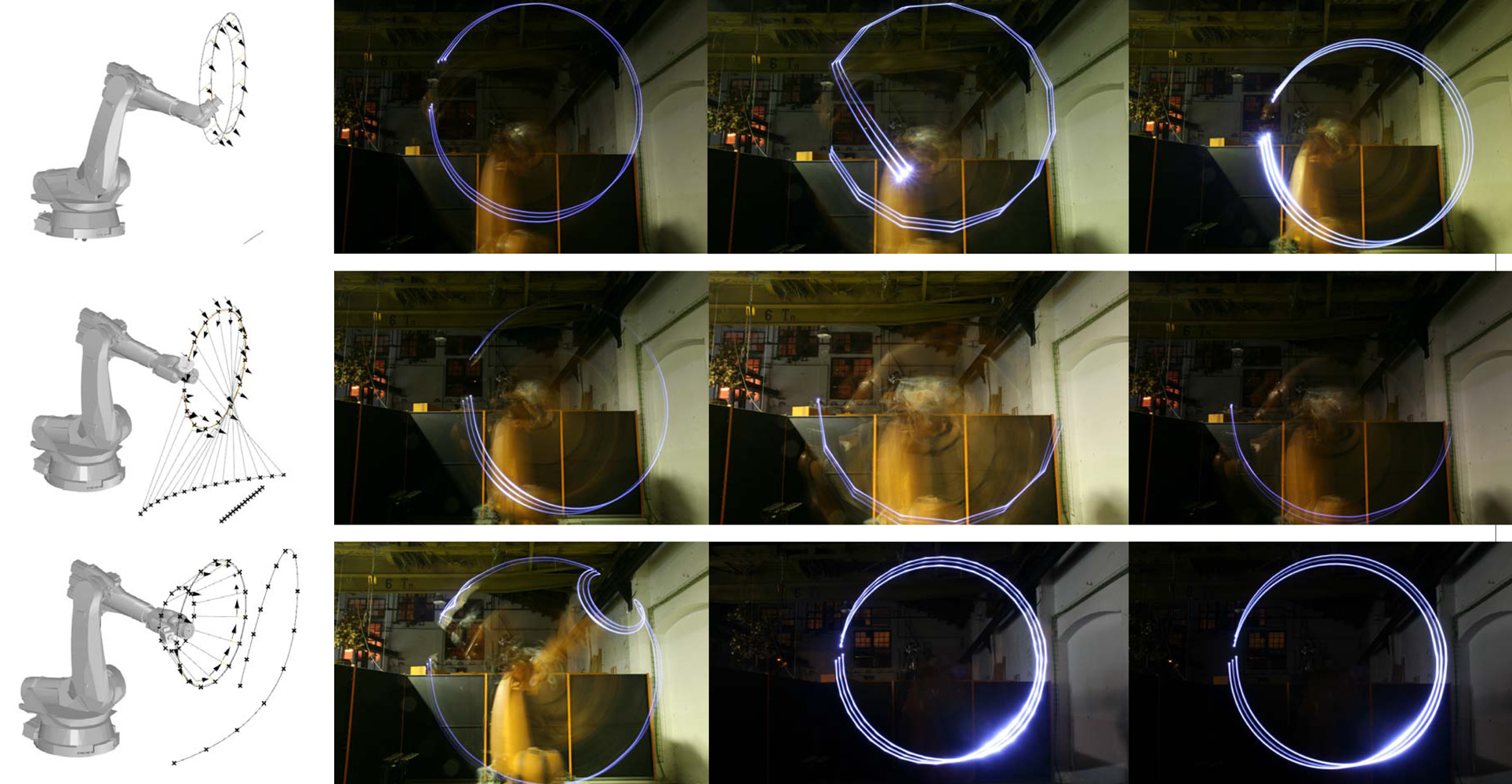
The first design assignment for the students of the Master in Advanced Architecture 2013 was to develop and test communication protocols to control and manipulate the behavior of a large industrial robot. Since 6-axis machines such as the one in the IAAC Fab Lab are directly inherited from the mass production of cars and other industrial products, the first focus of our design research has been devoted to developing alternative protocols of robotic fabrication that would afford a more direct interaction between machine and designer, as well as machine and the surrounding environment; these protocols will lead to the engineering of mass customized productions.

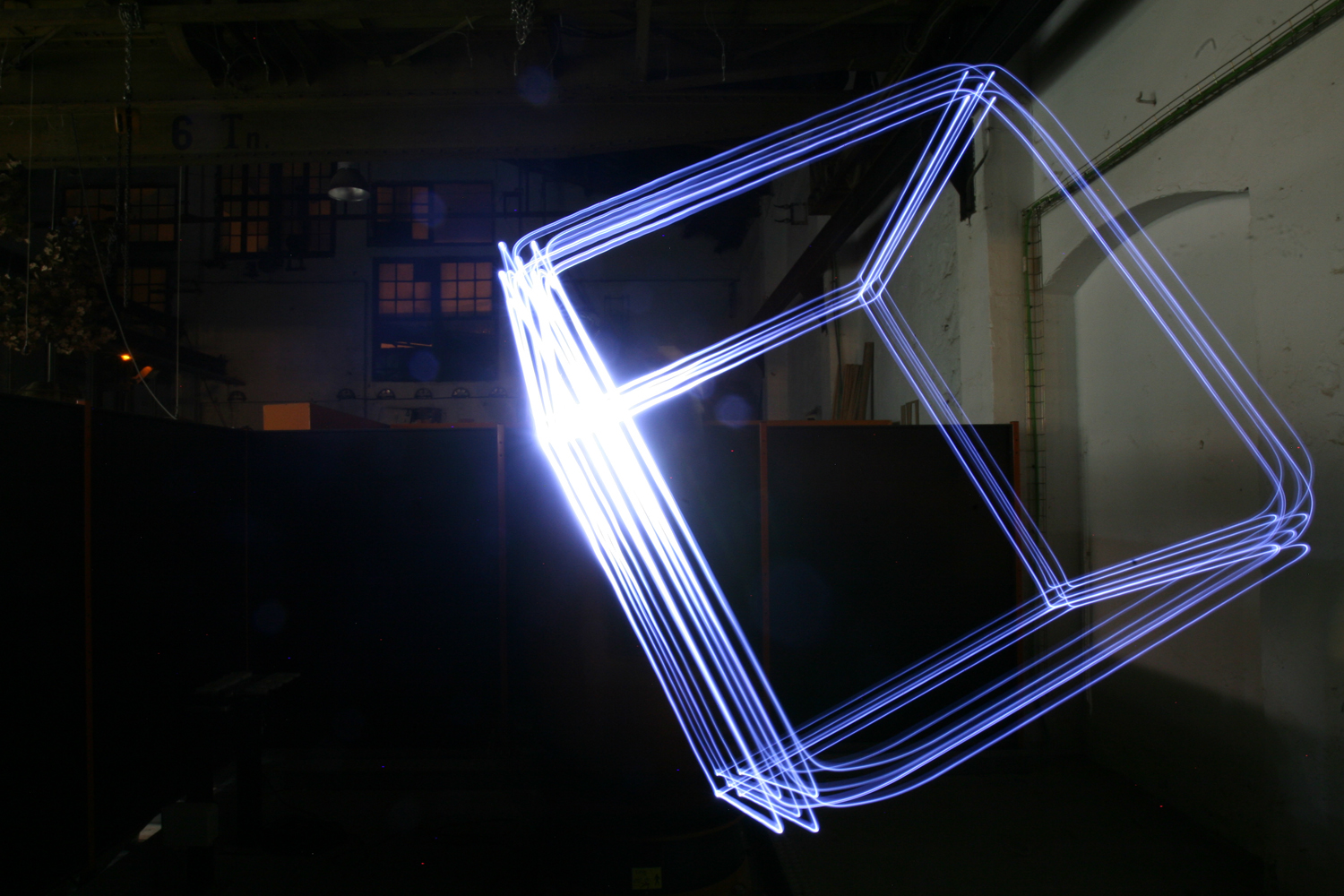
3D robotic light painting:

Our first experimental set up was the following:

-The robot was controlled by each student via Grasshopper, through the use of the KUKA | Krc plug-in (from association for robots in architecture) for Grasshopper and Rhino. Each group did draw a series of parametric lines that would become the tool paths for the robot.

-A video simulation with the virtual robot in Grasshopper was performed by each student to understand the behaviour of the machine along the path and amend eventual errors; the video  would allow also the testing of multiple path parameters and robot behavioural options.

-The tool mounted on the robot contained 1 fixed LED light and 2 or 4 blinking ones; the blinking was also controlled via Grasshopper and related to the robotic arm path.

-A camera was positioned in front of the robot and its exposure tuned to the particular lighting conditions and the length in time of the tool path. Such configuration allowed capturing the ephemeral lighting traces left by the robotic arm movements. The robotic behaviour is therefore translated into a 3D robotic light painting.

Read More »

Also posted in Fab Lab, Fab Lab Barcelona | Tagged , , , , , , , , , , , , , , , , , , , , , , , , , | Leave a comment

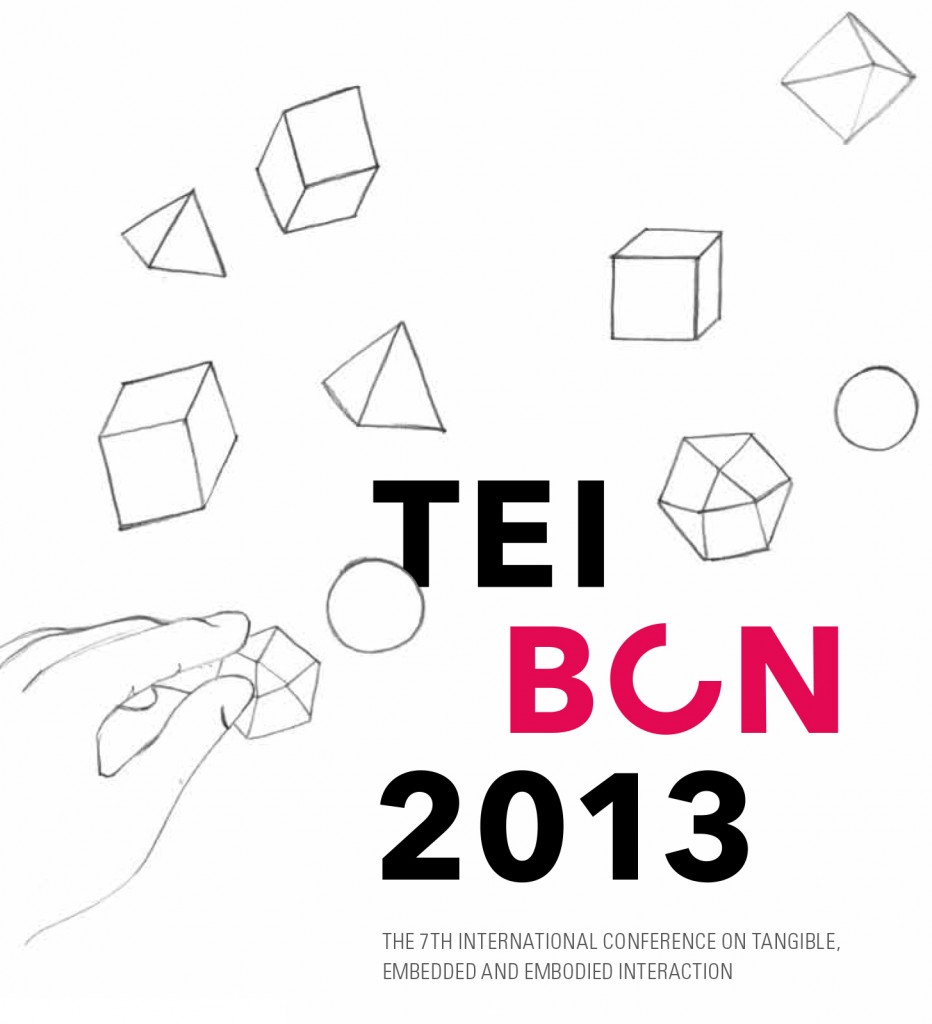
TEI 2013 – International Conference on Tangible, Embedded and Embodied Interaction – Barcelona

February 10-13, 2013. Barcelona, Spain.

TEI presents the latest research results, developments and challenges in the fields of human-computer interaction, multimodal interaction design, interactive art, user experience, and the latest technological tools and developments. TEI is presented as a unique forum for the exchange of ideas and presentation of innovative work through talks, interactive exhibits, demonstrations, workshops, posters, art installations and performances.

On Sunday, February 10, 8 workshops will take place at Fab Lab Bcn, taught by specialists from around the world, where participants can implement various technologies and activities related to the theme of the conference, such as experimenting with conductive paints and fabrics to build interactive clothing, experiment with different types of sensors, designed and built small robots, programme and design applications for future smart cities, develop applications  for special interactive tables, tablets and smartphones, etc.

Fab Lab Barcelona will present the Studio 13: From Microcontrollers to Cities and will be hosting, on tuesday 12th, the exhibition of the final projects.

More info at www.tei-conf.org
Posted in Uncategorized | Tagged , , , , , , , , , , , , | Leave a comment